


MARTEN LOU | CAR 2026 #02
Emotion in Motion
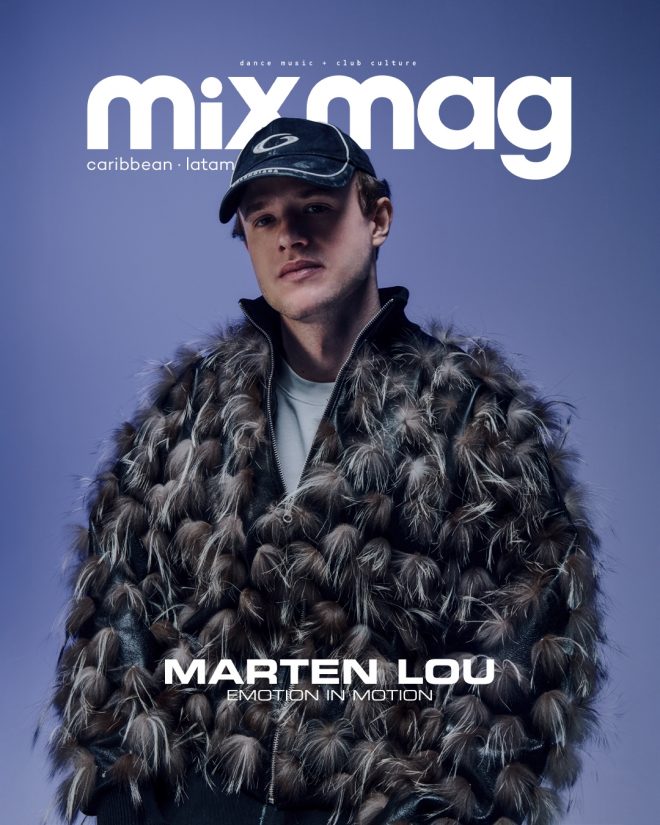
In a global electronic music landscape that moves faster every year, very few artists manage to rise without losing the emotional core that made their music resonate in the first place. Marten Lou is one of those rare figures. Emerging from Germany with a sound that balances cinematic melodies, intimate vocals, and dancefloor momentum, he has quickly become one of the most compelling new voices in the deep and melodic house movement. What began as bedroom experiments has evolved into a global project reaching millions of listeners.
Lou’s ascent has been remarkably swift, yet it does not feel accidental. His catalogue already includes multi-million-stream records such as “Your Body,” “Another Life,” and the emotionally charged “My Love For You (Yebba’s Heartbreak),” releases that have placed him firmly on the radar of the international electronic music community. Support from influential artists like Keinemusik, Adriatique, and CamelPhat accelerated that momentum. At the same time, releases on major labels including OVO, Atlantic Records, Warner Music, and FFRR expanded his reach beyond traditional club circuits.
What ultimately distinguishes Marten Lou is the way he translates introspective songwriting into large-scale musical experiences. His music carries the intimacy of a personal moment while still functioning on festival stages in front of thousands. That balance has taken him from underground club settings to some of the most visible stages in electronic music culture, including Tomorrowland, Coachella, Burning Man, Untold Festival, and Space Miami. For a 24-year-old artist who began producing before he reached his teenage years, the journey has unfolded at an extraordinary pace.
Beyond the streaming numbers and festival appearances, Lou’s rise also reflects a deeper commitment to emotional storytelling within electronic music. His productions often begin with instinct rather than calculation, guided by melodies and vocal fragments that feel genuine rather than trend-driven. That instinctive approach has allowed his music to resonate across both intimate club environments and massive festival stages. It is precisely that balance between feeling and scale that continues to define the Marten Lou project.
Acceleration
For Marten Lou, the shift from unknown producer to globally touring artist did not arrive as a single dramatic breakthrough. Instead, it unfolded through a sequence of moments that gradually redefined the scale of his project. One of those early milestones occurred during a small show in Paris, where a crowd of around 300 people gathered to see him perform. At the time, the experience already felt monumental. Standing behind the decks, he remembers realizing for the first time that people were genuinely coming out to hear his music.
Within weeks, the momentum accelerated. Established DJs began playing his tracks in their sets, and suddenly the music he had been crafting in isolation was circulating the world. For Lou, that transition felt both surreal and motivating. Years spent producing alone in his bedroom were suddenly translating into packed dance floors and a rapidly expanding audience.
“When I look back, one moment that really stayed with me was my first real show in Paris. I played in front of 300 people, and at that time, it felt like a huge milestone. I remember standing there thinking how surreal it was that people actually came to see me play. Only a few weeks later, bigger artists started supporting my tracks in their sets, and suddenly things began moving very quickly.
From the inside, it honestly felt a bit surreal. For many years, I made music in my bedroom without knowing if anyone would ever hear it. Suddenly, you start seeing people play your tracks around the world, and thousands of people connecting with the music. Personally, it was an incredible feeling, but creatively it was also very motivating because it pushed me to keep evolving and developing my sound with every new release.
What many people don’t know is that my journey with music started very early. I began producing when I was 12, and even before that, I won my first songwriting contest in my hometown in Germany when I was 10. But it wasn’t always easy. When I was 18, I applied twice to study music production at one of Germany's most renowned music academies and was rejected both times, but at the time, that felt like a big setback.
Now, a few years later, I’m playing some of the biggest venues and festivals in the world and collaborating with artists I looked up to for years. It still feels like an honor every time I step on stage. There have been some incredible milestones along the way; for example, my song “Your Body” has passed 80 million streams on Spotify and will likely pass 100 million very soon. Another unforgettable moment was playing Burning Man at Maxa Camp before sunrise, right after Monolink and before RÜFÜS DU SOL, in front of 20,000 people in the middle of the Nevada desert. Those kinds of moments make you stop for a second and realize how far the journey has come.”
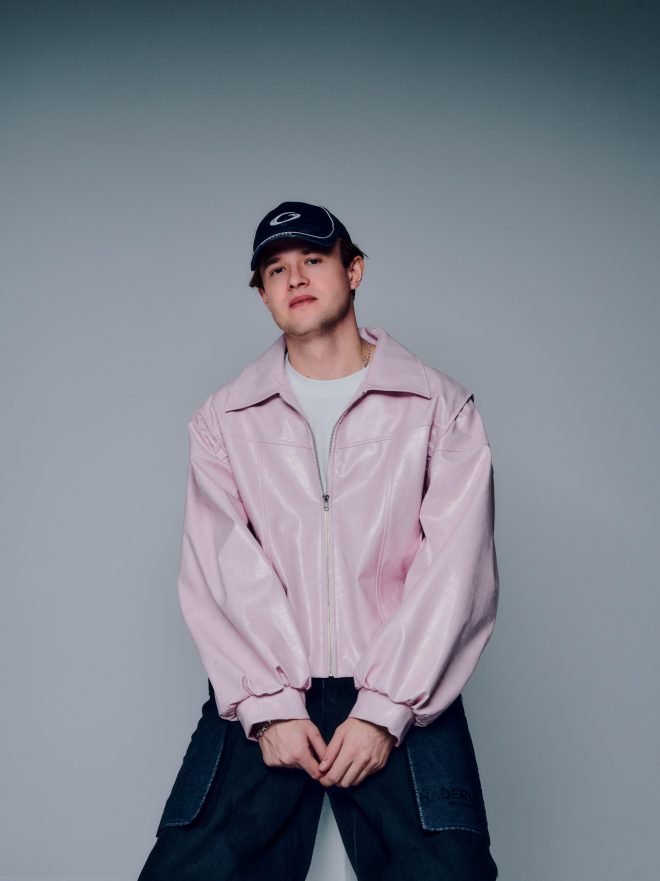
The story becomes even more striking when considering how early his musical path began. Lou started producing at the age of twelve, long before his name entered the industry conversation. Even earlier, he had already won a songwriting competition in his hometown at just ten years old. Those early experiences planted the seed of a career that would later unfold in ways he could hardly imagine.
Not every step was smooth. At eighteen, Lou applied twice to one of Germany’s most respected music academies to study production and was rejected both times. At the time, the rejection felt like a serious setback. Today, it reads almost like a turning point that forced him to trust his own instincts and continue developing independently.
The scale of his career now stands in sharp contrast to those early obstacles. Tracks such as “Your Body” have surpassed tens of millions of streams, edging toward 100 million on Spotify. Meanwhile, performances on some of the world’s most iconic stages have transformed the project into a global touring force.
“One unforgettable moment was playing Burning Man at Maxa Camp before sunrise, right after Monolink and before RÜFÜS DU SOL, in front of 20,000 people in the middle of the Nevada desert.”
Miami Music Week
For artists operating at the intersection of club culture and global touring, Miami Music Week represents a particular kind of gathering point. It is one of the few moments each year when the global electronic music community converges in a single city. DJs, producers, managers, labels, and promoters all move through the same ecosystem of parties, studios, and spontaneous collaborations.
For Marten Lou, the week has become a symbolic start to the entire touring cycle. It marks the unofficial launch of the summer season and the moment when the industry collectively reenters festival mode. The energy in Miami during those days feels unusually concentrated, as if the entire scene is briefly operating within the same rhythm.
“For me, Miami Music Week really feels like the kickoff for the entire year and the start of the summer season.”
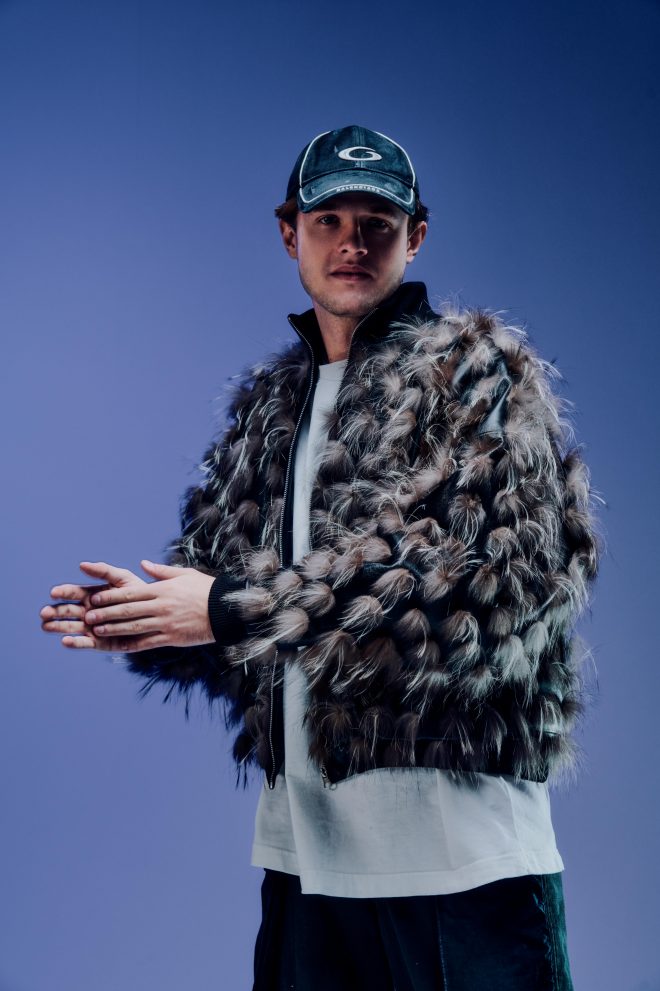
This year, Lou is set to perform three shows during the week, including headline appearances at Mila Lounge and Wynwood Studios alongside a highly anticipated set at Space Miami. The latter remains one of the most legendary venues in electronic music, a place where DJs often measure their growth as performers.
“Space is obviously one of the most iconic venues you can play as a DJ. Stepping into that booth always feels like being part of something bigger than just a normal club night.”
Beyond the performances themselves, Miami Music Week also functions as a creative laboratory. Artists often stay in the city for several extra days, moving between studio sessions, radio appearances, and informal gatherings that frequently spark unexpected collaborations.
For Lou, those quieter moments can be just as valuable as the shows themselves. Conversations between artists, shared demos, and spontaneous studio experiments often plant the seeds for future releases. In that sense, Miami becomes more than a festival week. It becomes a temporary creative hub where the global scene reconnects.
The Sound of Marten Lou
“My sound has always developed very naturally. When I’m making music, I rely a lot on my gut feeling. I rarely approach a track with a strict formula or a technical plan in mind. Most of the time, it starts with an emotion, a melody, or a vocal that immediately resonates with me. From there, I build the track around that feeling. For me, music has always been a very emotional language, so a song must reflect something real rather than just following trends.
I’ve always loved combining emotional instrumentals with catchy vocals. That balance between melody, emotion, and rhythm is something I’m constantly searching for in my productions. I want the music to work on different levels, something that feels intimate when you listen to it alone, but that can also translate onto a big dancefloor or festival stage. Creating that contrast between something cinematic and something that still drives the energy of a club is something I find very exciting creatively.
At the same time, making a track is always a process, and every record develops differently. Sometimes I work on a song for more than a year, slowly refining small details, adjusting arrangements, or waiting for the right vocal to appear. Other times, inspiration hits, and an idea comes together in twenty minutes. Those moments can feel almost magical, because everything suddenly clicks into place very quickly.
Another important part of my process is testing music in my live sets. I’m very fortunate to be able to perform around the world, in Europe, North and South America, the Middle East, Asia, Africa, at the moment more than 145 shows a year, in front of very different crowds and cultures. That allows me to try out new ideas in my sets, see how people react, and feel how a track translates on a real dancefloor.”
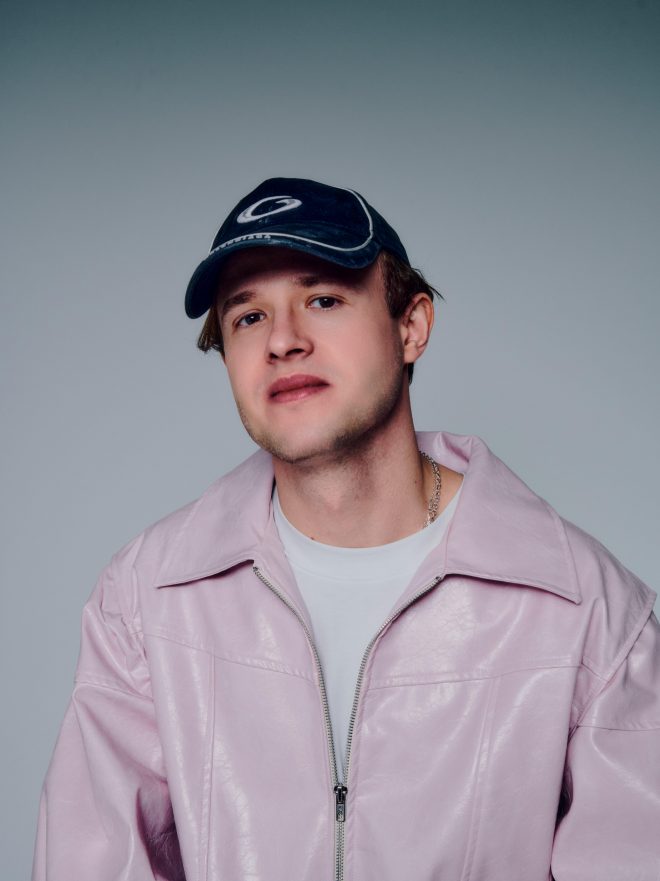
That emotional starting point defines the architecture of his productions. Lou frequently builds tracks around the relationship between melody, atmosphere, and rhythm, searching for a balance that allows the music to function both privately and collectively. A listener alone with headphones should feel something personal, while a festival crowd should experience the same track as a shared moment.
“I want the music to work on different levels. Something that feels intimate when you listen to it alone, but that can also translate onto a big dancefloor.”
The process itself is unpredictable. Some songs evolve slowly over months or even years, with Lou refining details, adjusting arrangements, and waiting for the right vocal element to appear. Others arrive almost instantly, materializing in a burst of creative momentum.
“Sometimes inspiration hits, and an idea comes together in twenty minutes. Those moments can feel almost magical.”
Listening habits also play a crucial role in shaping his intuition. Lou estimates he listens to music for nearly 8 hours a day, absorbing influences from multiple genres and artists. That constant exposure gradually builds the internal instincts that guide his production decisions.
Another defining element of his workflow is the feedback loop between studio and stage. With a touring schedule that includes more than 145 performances a year, Lou regularly tests unfinished material in front of live audiences. Observing how crowds react to certain moments allows him to refine the tracks later in the studio.
“There is a constant feedback loop between the studio and the dancefloor.”
Collaboration and Momentum
Collaborations have also become an important dimension of Lou’s artistic evolution. His recent track “Need You,” created with Dutch melodic house artist Colyn, represents a meeting point between two distinct sonic identities. The partnership began unexpectedly during a show in Entre Ríos, Argentina, where the two artists first connected while traveling through the region.
“The first time Colyn and I actually met was in Argentina, in a small town called Entre Ríos, which is about four hours from Buenos Aires. It was probably the longest trip I’ve ever taken just to play a single show. When we met there, we immediately had a great vibe. Colyn is a really nice guy, so the connection felt very natural from the beginning.
There’s also a funny full-circle story behind it. Before my career really took off around 2022, I went out with some friends to a club in Berlin called Watergate, where Colyn was playing that night. After his set, I actually went up to him and asked if we could take a photo together. I still remember that moment very clearly.
If you listen closely to our music, you’ll notice that our styles are actually quite different. Colyn often plays much harder, more driving records, while my sound tends to focus more on emotional melodies, atmosphere, and vocals. But that contrast was exactly what made the collaboration interesting.”
The story behind the collaboration carries a certain poetic symmetry. Years earlier, before Lou’s career had taken off, he attended a Colyn performance at Berlin’s iconic Watergate club. After the set, he approached the DJ to ask for a photo. Today, the two artists are releasing music together.
“We’re releasing a track together called ‘Need You.’ It feels quite surreal in the best possible way. Instead of trying to make our styles identical, we embraced those differences and used them as a creative advantage.”
Colyn’s more driving melodic techno aesthetic contrasts with Lou’s focus on emotional melodies and vocal storytelling. The tension between those approaches ultimately became the creative engine behind the track.
Hideaway: A New Chapter with LUCH
Another chapter in Marten Lou’s evolving catalogue arrives with “Hideaway,” his upcoming collaboration with producer and vocalist LUCH. The two artists have been friends for several years, first connecting through their shared approach to emotional melodic house and staying in touch while touring across different continents. Their previous collaboration, “LoveHate Thing,” established a natural creative chemistry between them, and “Hideaway” builds on that foundation while moving the sound into slightly more indie-leaning territory. The result is a record that feels both familiar and subtly exploratory within Lou’s sonic world.
Unlike traditional studio collaborations, much of the creative process behind “Hideaway” unfolded while both artists were traveling. Ideas were exchanged through voice notes, demos, and quick musical sketches sent across time zones as they moved from show to show. One moment stands out in Lou’s memory: the early conversations about the track began while he was sitting in a car on the way to a performance in Oman. Even in those early drafts, he sensed that the record carried a special emotional atmosphere.
“Because both of us are touring around the world most of the time, it’s not always easy to be in the same place or in the same studio. A lot of the creative process actually happened while we were traveling and working remotely. I remember one moment very clearly: I was sitting in the car going to a show in Oman when we started talking about the idea for the track, sending voice notes and early ideas back and forth.”
For Lou, the intention behind the track was to capture a feeling of escape. The production leans into warm, melodic textures, subtle indie influences, and an emotional lift that allows listeners to lose themselves in the music. Whether heard through headphones or on a crowded dance floor, “Hideaway” aims to create a shared emotional moment between the artist and the audience.
The record will also have a symbolic debut during Miami Music Week. Lou and LUCH plan to perform the track together during their shows at Wynwood Studios, marking the first time the song will be shared live in front of an audience. For an artist who constantly tests music in real environments, moments like this remain an essential part of the creative process.
Latin America:
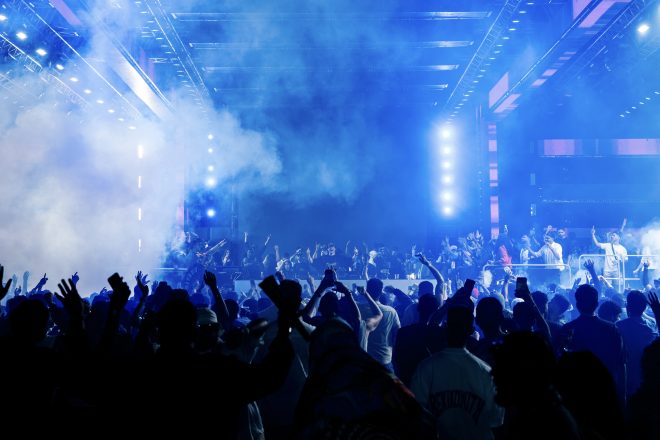
Among the many regions Marten Lou has visited during his rapid touring rise, Latin America holds a particularly special place. The connection between audiences and music often feels more immediate, more emotional, and less filtered by industry expectations. Lou first experienced that intensity while touring Brazil, where the crowd's response felt almost overwhelming compared to the more restrained dancefloors of Europe. For an artist who grew up producing music in a small German town, those moments created a powerful contrast between where the journey began and how far it has traveled.
One of the most memorable nights came at Green Valley, the legendary Brazilian club frequently ranked among the best in the world. Standing behind the decks in front of nearly nine thousand people, Lou found himself absorbing the scale of the moment as the entire venue moved in sync with the music. The dancefloor remained fully engaged from the opening tracks until the closing moments of the set. It was the kind of experience that reminds an artist why the connection between DJ and crowd remains the most essential part of club culture.
“Playing in Latin America always feels very special. The connection people have with music is incredibly strong, and you can feel that energy the moment you step on stage. The crowd is very passionate and fully present in the moment, which creates a really unique atmosphere for the set.”
For Lou, what makes the region unique is not just the size of the crowds, but the emotional openness with which audiences respond to music. In many Latin American countries, electronic music culture carries a sense of collective release, where dancing becomes a shared expression rather than simply a form of nightlife entertainment. That difference is something he feels immediately when stepping onto the stage.
“In Latin America, people truly live for the music. It’s not just about going out; it feels much more emotional and expressive.”
Moments like those reinforce the global power of dance music. Language barriers disappear when thousands of people move to the same rhythm, and the DJ booth becomes a focal point for a shared experience that stretches far beyond geography. For Marten Lou, nights in Brazil and across Latin America continue to serve as reminders that electronic music’s most powerful currency is not streams or stages, but the emotional connection between people on a dancefloor.
Touring towards the Future
Even with an already global touring footprint, Marten Lou still describes his career as being at the beginning of its arc. The artist who once produced music alone in a bedroom now performs for tens of thousands of listeners across continents (more than 145 shows per year!). Yet the underlying motivation remains remarkably consistent.
“I actually love this pace of touring. It’s intense, of course, late nights, early flights, constant travel, a different hotel almost every night, producing music on the road, and the general pressure that comes with it, but at the same time, it’s the life I always dreamed about.
This is now my third season touring heavily, and even though it can be demanding, I still feel very energized by it. I’m 24 years old now, and I’ve been working toward this moment since I was 10, making music in my bedroom and dreaming about one day playing around the world.
Being able to play around 145 shows a year is something I’m extremely grateful for. I never take that for granted.”
Electronic music itself is evolving rapidly, with technological changes reshaping production tools and dissolving genre boundaries. Lou sees fluidity as an opportunity rather than a challenge.
“Electronic music is evolving incredibly fast right now. Technology is changing the way music is produced, and genres are constantly blending. Even within my scene, “deep and melodic house, “ you can already see how the sound is shifting and evolving.”
Looking ahead, Lou is already thinking about ways to expand the live dimension of his project. Beyond releases and festival appearances, he is exploring new performance formats that could deepen the experience for audiences.
“Five years ago, some of those combinations probably wouldn’t have happened, and now they feel very natural. That openness will bring dance music to an even wider audience.
“Personally, I’m also thinking about new formats for my live shows and developing my own brand around the experience. My focus right now is to make sure that every show feels unique and creates something special for the community around the music.”
For an artist who once wondered whether anyone would ever hear the tracks he was producing at home, the trajectory feels almost improbable. Yet the emotional clarity of his music suggests that the momentum is far from finished. If anything, Marten Lou appears to be entering the phase where instinct, experience, and global reach finally converge.
