


JAY DE LYS
Groove, Identity and the Pulse of the Argentine Dancefloor

countries sustain a dancefloor intensity quite like Buenos Aires, where weekends stretch deep into the night and crowds respond to DJs with emotional immediacy. The city’s club culture is not simply about nightlife, but about community and shared energy that forms between strangers through music. In these rooms, the dancefloor becomes a living organism, reacting collectively to rhythm, tension and release.
For Jay de Lys, growing up within that ecosystem meant experiencing the mechanics of the club long before stepping into the booth himself. Buenos Aires offered him constant exposure to international DJs who passed through the city’s clubs almost every weekend. Standing among the crowd, he absorbed the subtle details of how a night unfolds musically. Those early years provided a kind of informal education in dancefloor psychology.
“It’s well known that the party in Argentina feels different. The Latin crowd in general is very warm, and there’s a reason why it’s the favorite territory for many DJs to play. From a very young age I had the chance to go out in Buenos Aires and listen to world-class DJs almost every weekend at top notch clubs. Being on the dancefloor so often taught me a lot about connection and energy before I ever stepped into the booth.”
Argentina’s club culture is also unusual in its scale and consistency. Across the country, dozens of cities sustain thriving electronic music scenes where thousands gather every weekend. Growing up in an environment where events of that magnitude were constantly happening made the culture feel natural and deeply rooted. It also exposed him to different styles of DJs and approaches to controlling a crowd.
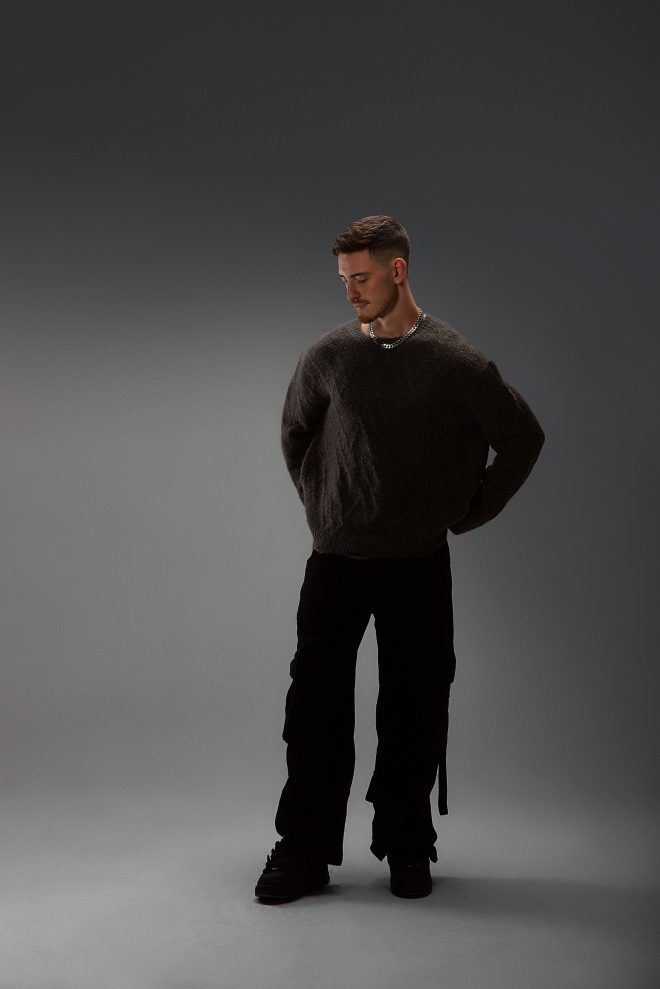
“You learn very quickly that the crowd in Argentina reacts to authenticity. When the DJ really believes in the music, the room feels it immediately. Watching how different DJs controlled the mood of thousands of people also gave me an early understanding of crowd psychology; when to build tension, when to release it, and how small musical choices can completely change the energy of a room.”
Those early observations continue to shape the way Jay de Lys approaches his career today. Tech house, the genre most closely associated with his sound, has transformed dramatically over the last decade. What once circulated primarily in underground club environments has expanded into massive festivals and global streaming platforms. The genre’s growth has brought unprecedented visibility to electronic music as a whole.
For Jay de Lys, however, that growth comes with both opportunities and challenges. Electronic music now reaches a wider audience than ever before, but the pace at which music is produced and consumed has accelerated dramatically. Many tracks now circulate rapidly through social media and playlists before disappearing just as quickly. That shift has changed the way artists think about longevity and artistic identity.
“Electronic music in general, no matter how underground it considers itself, has become something mainstream and one of the most consumed genres in the world, with all the good and bad that comes with it. Of course it opens new doors and horizons, but music has also turned into a fast consumption product and many times it feels like it has lost its soul.”

Rather than positioning himself as someone attempting to redefine the genre, Jay de Lys takes a more grounded perspective. His focus is not on chasing trends or forcing a particular narrative within the scene. Instead, he aims to maintain a genuine relationship with the music that first pulled him toward the dancefloor. For him, authenticity remains the most important foundation for a sustainable career.
“I’m not trying to fulfill any specific role because music is much bigger than any individual, but I do try to always enjoy doing what I love without falling into whatever happens to be trendy.”
That philosophy becomes especially visible when he steps behind the decks. In an era where many DJs feel pressure to deliver constant peaks and rapid transitions, Jay de Lys values patience and groove. The architecture of a set, for him, is about guiding the room slowly rather than forcing instant reactions. The dancefloor becomes a space where rhythm and flow can develop naturally over time.
“I always step into the booth with the intention of playing as smooth and groovy as the dancefloor allows, and from there I see how the night develops and what feels right to keep people enjoying themselves.”
This approach echoes the philosophy of artists such as Marco Carola and Jamie Jones, who built entire movements around groove-led DJ sets. Their influence helped define a style of performance that prioritizes patience and rhythm rather than spectacle. Jay de Lys finds particular satisfaction in nights where the crowd allows that type of progression to unfold organically. In those moments, the DJ and the dancefloor form a shared narrative that evolves hour by hour.

“The magic of a crowd that allows you to build a set without pressure and without the need to constantly play super obvious or high-impact tracks is one of the things I enjoy the most.”
While technical skill remains a respected element of DJ culture, Jay de Lys sees it as only one component of the craft. Reading a room requires sensitivity, intuition and constant awareness of the energy in front of you. A DJ must observe the crowd closely, paying attention to how people react to grooves, vocals and basslines. Those reactions guide the direction of the night.
“The technical side of DJing is something that deserves a lot of respect and admiration. But beyond that, the most important thing when stepping into the booth is the ability to read the dancefloor and make people enjoy themselves while translating the full range of your musical taste into a two or three hour set.”
Touring internationally reinforces that mindset even further. Every city, club and festival carries its own atmosphere and expectations. A set that works perfectly in one environment might feel completely different somewhere else. Because of this, preparation becomes essential before every performance.
“Every event, club or festival in every country is different, which is why preparing specifically for each set I play is something I can never skip.”
In the studio, Jay de Lys follows a similarly intuitive approach. His productions often sit between rolling tech house grooves and deeper, hypnotic club textures. Rather than following strict formulas, he relies on instinct built through years of listening and experimentation. The process begins with feeling rather than calculation.
“When it comes to making music, as difficult as it can be, I try not to overthink what I’m going to do. After so many years there’s something instinctive in every producer that shapes their sound and the way they approach a track.”
Maintaining that instinct while avoiding repetition is an ongoing challenge. Each new track offers the opportunity to explore different influences without losing the recognizable elements of his sound. That balance between diversity and identity defines his approach to production. It also ensures that his music continues to evolve over time.
“I try not to repeat myself and to make diverse music while still keeping my own touch. I think I’ve managed to achieve that by always blending the musical influences I pick up in everyday life with the kind of music I love to play and produce.”
Inside the booth, the connection between DJ and crowd begins almost immediately. Often the first track of the night already reveals something about how the room will respond. Observing subtle reactions allows the DJ to adjust direction before the energy fully settles. This dialogue between booth and dancefloor continues throughout the set.
“From the very first track you already start to get a sense of how the night is going to unfold. I always like to connect with the crowd and pay attention to how they react to different things, certain grooves, certain types of vocals or basslines.”
Eventually, a moment arrives when everything aligns. The crowd locks into the rhythm, the transitions feel effortless and the atmosphere inside the room changes. DJs often describe this moment as the point when the night becomes something larger than the individual tracks being played. For Jay de Lys, that moment represents the essence of DJing.
“Once you finally find the direction for the night and the energy is there, everything just becomes magical.”
Certain records can accelerate that process instantly. Many DJs keep specific tracks in their playlists for years because they never fail to ignite a reaction. Sometimes they are unreleased edits or forgotten classics that retain their power over time. These records act as secret weapons during crucial moments of a set.
“If I had to name one, I’d say Brighter Days (Marco Lys Remix). It’s impossible for the dancefloor not to go crazy.”
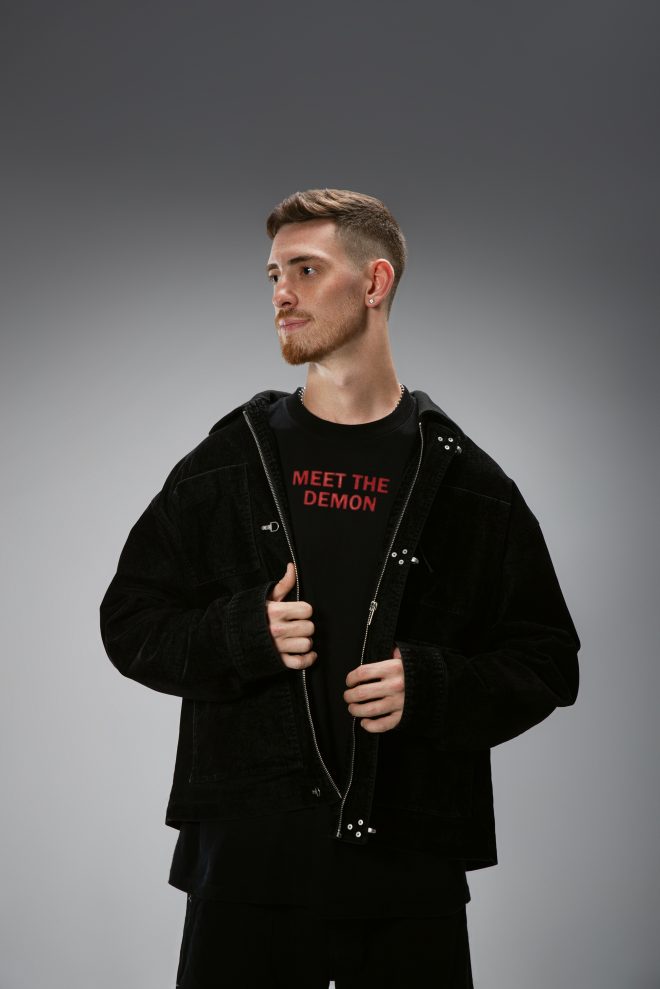
As his career expands internationally, Jay de Lys finds himself sharing stages and circuits shaped by established figures such as Joseph Capriati and Marco Carola. For some artists, entering that landscape might bring pressure to align with existing sounds. Jay de Lys approaches it differently. He prefers to focus on consistency rather than comparison.
“I don’t really feel pressure. I’m very happy with the path I’m on and I try to enjoy the journey.”
That mindset reflects a long-term perspective on success. Rather than chasing rapid recognition, he sees progress as the result of steady work and gradual growth. Each performance and each release becomes part of a larger trajectory. Staying grounded within that process remains essential.
“If I’ve managed to achieve the goals I set for myself so far, the only thing left is to keep working consistently and the rest will come. Above all, the key is staying true to what you genuinely enjoy producing and playing.”
Beyond individual careers, Jay de Lys also reflects on the broader transformation of club culture. Social media, large-scale festivals and faster hype cycles have reshaped the environment in which DJs operate. Despite those changes, the core values of electronic music remain the same. Community and connection still define the culture at its best.
“What I’ve always loved most about electronic music is the sense of acceptance, unity and positive energy that has always existed at events.”
Preserving that spirit becomes increasingly important as the scene continues to grow. New audiences bring fresh energy but also new expectations. Protecting the essence of underground culture ensures that the experience remains meaningful for everyone involved. It is a responsibility shared by artists, promoters and crowds alike.
“With so many new people coming into the scene since electronic music became more mainstream, it’s essential to preserve the values and the essence of the genre in order to protect the crowd that comes to enjoy the music.”
Ultimately, Jay de Lys measures success through the connection he creates with the dancefloor. Whether performing in an intimate club or on a massive festival stage, the goal remains the same. The music may evolve slightly depending on the setting, but the identity behind it remains consistent. That continuity defines his relationship with the crowd.
“Whenever I play, whether it’s a small club, a huge venue or a festival, and even if the music is slightly different, it still sounds like me.”
His sound draws from multiple worlds beyond electronic music itself. Latin musical heritage blends naturally with influences from hip hop and rap, creating a hybrid identity that shapes both his productions and his DJ sets. These influences emerge subtly through grooves, rhythms and vocal textures. Together they form the musical language that defines Jay de Lys.
“I’m always looking for a blend of my Latin influences with my other favorite genre besides electronic music, which is hip hop and rap.”
Because of that fusion, every set becomes slightly different depending on the energy of the room. Some nights lean deeper into groove and minimal textures, while others push toward heavier club intensity. The flexibility allows him to adapt without losing his signature sound. That mixture of influences ultimately forms the core of his artistic identity.
“A set might be more intense, more groovy, more house or more minimal, but that mix of my worlds is always there.”
