


Enzo Fazz finding the groove again
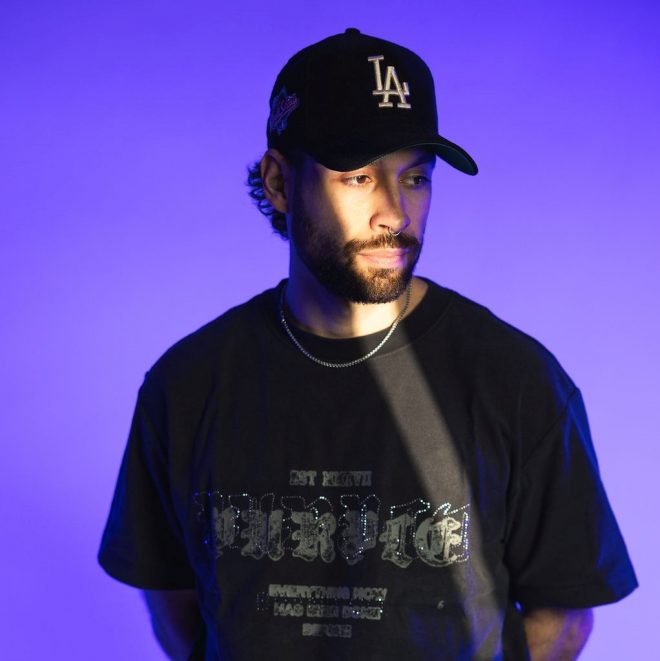
The studio is quiet except for the drums. A kick rolls in a tight loop while a bassline shifts slowly beneath it. A short vocal sample, lifted from somewhere in the long archive of American hip hop, slides into the rhythm and suddenly the track begins to breathe. These are small movements, but they are the ones that matter.
For several years the music existed under another name. As FREAK ON, Enzo Fazz built a reputation inside the high-pressure mechanics of tech house, releasing records designed for the most crowded moments of the night. Those tracks were direct, immediate, engineered for the instant reaction of a dance floor. But somewhere along the way the alignment between the music and the identity behind it began to loosen.
“Over time, I started to feel like I didn’t fully align with the FREAK ON name and brand the same way I did when I first started it,” he says. “I was also younger then and experimenting a lot with my sound and direction.” The recognition did not arrive suddenly or dramatically. It emerged slowly, inside the daily rhythm of studio sessions and unfinished sketches.
Names in dance music often become containers. At first they offer freedom, then gradually they create expectations that begin to shape every decision. The longer an alias lives, the harder it becomes to change direction without disrupting the identity attached to it. Eventually the simplest solution is to begin again.
“With Enzo Fazz, I wanted a clean slate,” he explains. “Something that allowed me to focus on a clearer vision and explore a different side of my production while still keeping the groove and club energy that I love.” The new project does not reject the dance floor. Instead it moves deeper into the mechanics that make a club record work.
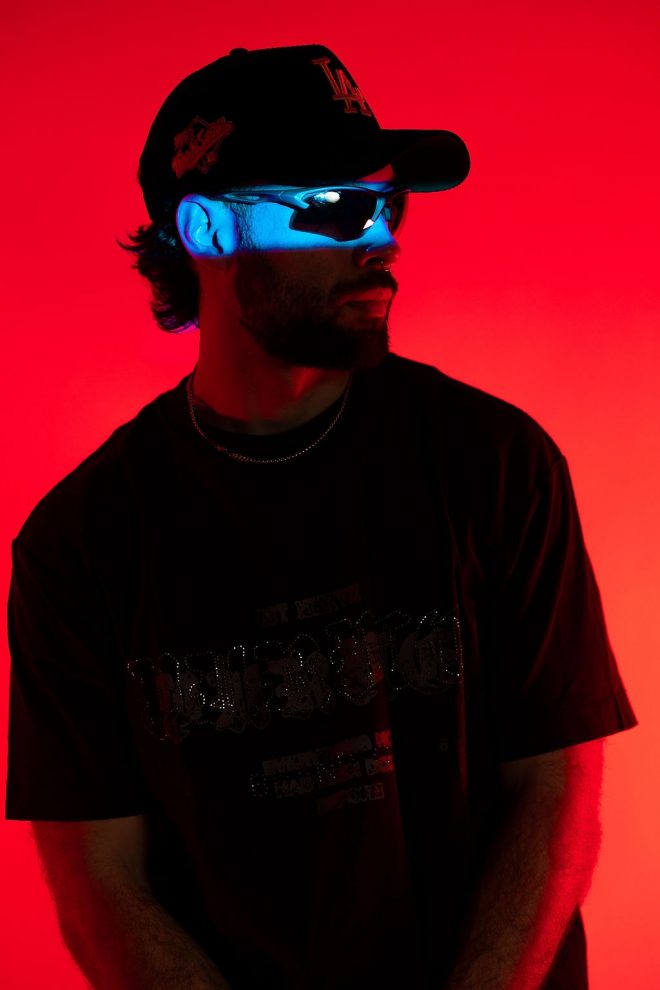
A Different Kind of Energy
Dance music rarely disappears. It folds into itself, leaving fragments that reappear years later in unexpected places. Drum patterns, bass movements and vocal phrasing travel quietly across decades, resurfacing when producers rediscover the feeling that made them powerful in the first place. For Enzo Fazz, that gravitational pull leads back to the early 1990s.
The era carries a specific kind of clarity. House records from that period rarely relied on complexity, and hip hop productions were built around rhythms that felt both direct and elastic. The music moved with confidence because every element had a precise function inside the groove. Nothing existed without purpose.
“With Enzo Fazz, I want listeners to step into something that feels deeper and more intentional,” he says. “The project still lives in the club, but it explores a wider range of sounds.” The aim is not nostalgia but continuity. Certain rhythmic ideas simply refuse to age.
“Sonically, it leans into house music with a strong influence from 90s dance and hip-hop,” he continues. “Grooves that feel raw, rhythmic, and built for movement.” That language appears clearly inside the tracks themselves. The drums carry weight while the basslines move with patient momentum.
The references that shaped this direction sit across both sides of that cultural crossover. “Artists like Big L, DJ Quik and Special Ed really influenced the vocal aspects of my music,” he says. “On the house side, artists like Fast Eddy, Technotronic and Inner City shaped that club and hip-hop crossover energy.” Each of those names represents a moment when rhythm became the central language of the room.
That period produced records that felt raw without sounding unfinished. The arrangements were simple but never empty, leaving enough space for dancers to insert their own movement inside the track. It was music that trusted the listener’s physical instinct. That sense of space remains one of the most valuable lessons from the era.
“That era had a raw groove and simplicity that still feels timeless,” he explains. “I try to bring that same feel into the music I’m making today.” The translation happens quietly through rhythm. No dramatic gestures are required.
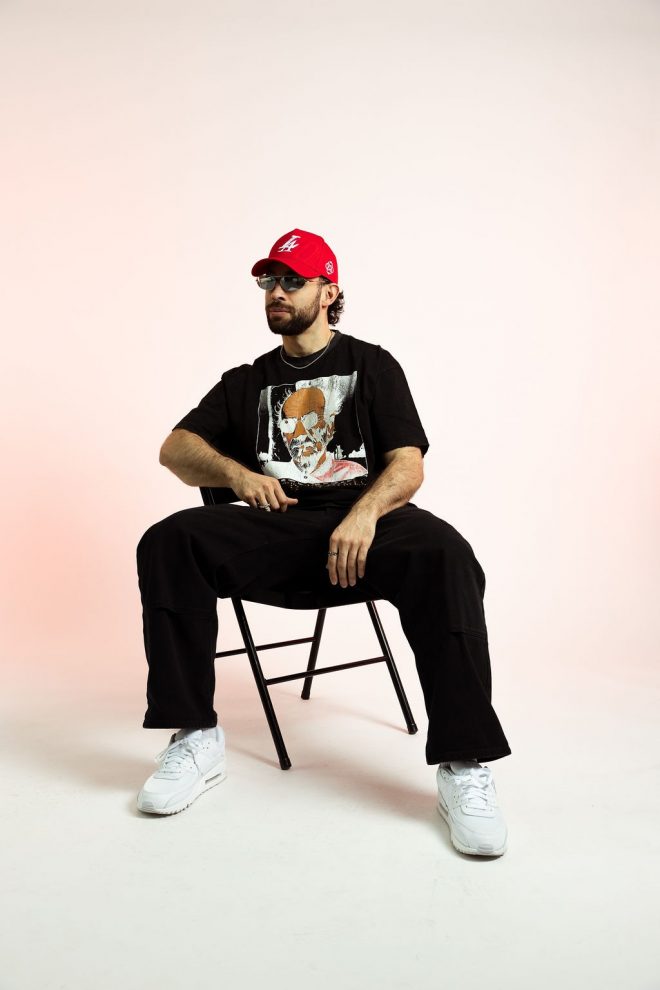
Building the Track
Inside the studio, the process begins with the drums. Every producer develops a different entry point when building a record, but the Enzo Fazz method is rooted firmly in rhythm. Before melodies appear or vocals arrive, the groove has to settle into its natural swing. If the drums fail, the track never survives.
“Groove and rhythm are really the foundation for me when building a track,” he says. “I usually start with the drums and focus on getting the swing and pocket feeling right before anything else.” The language may sound simple, but the execution requires patience. Small timing adjustments can transform a rigid beat into something that moves.
The approach mirrors the architecture of classic dance records from Chicago and Detroit. Those productions rarely depended on dramatic arrangement tricks. Instead the energy came from how the drums and bassline locked together over time. Once that internal movement began to circulate, the rest of the track followed naturally.
“A lot of that comes from classic dance music structures where the drums and bassline carry most of the movement,” he explains. The groove becomes the central axis of the record. Everything else must orbit around it without disrupting its momentum.
“Once that groove feels locked in, everything else is supporting that rhythm,” he continues. “The stabs, vocals and textures help the track evolve without losing that core feel on the dance floor.” This philosophy leaves space inside the mix. The track breathes instead of shouting.
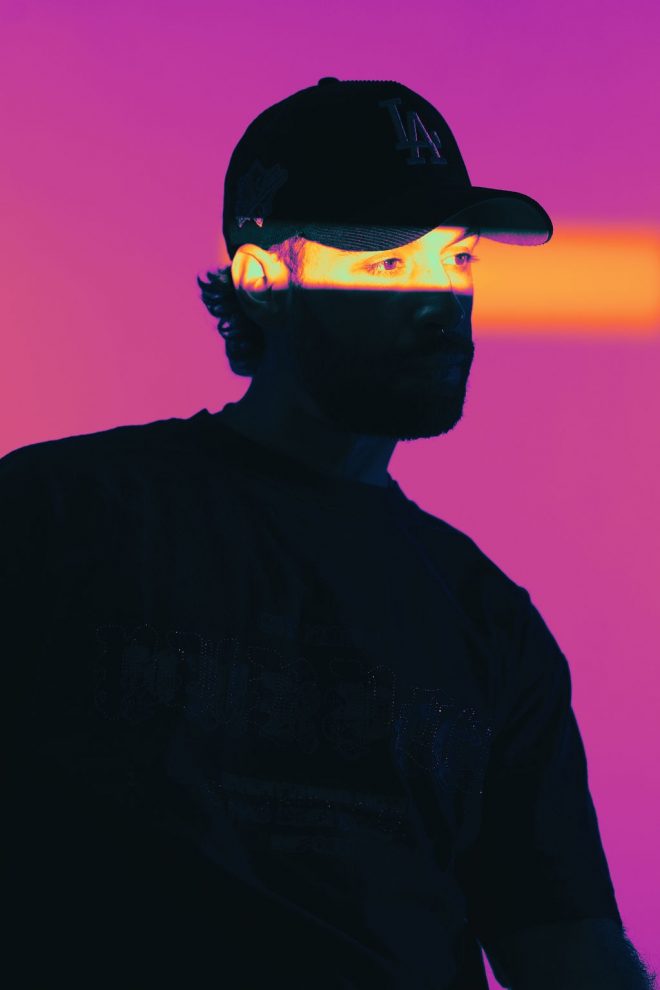
A Shift in Perspective
From the outside the tools of modern production appear identical. Digital workstations, endless plugin libraries and sample packs capable of generating thousands of sonic combinations. Yet the real difference between artistic phases rarely comes from equipment. It emerges from the mindset behind each decision.
“The biggest difference is probably more conceptual than technical,” he says. The earlier project focused on immediacy. Tracks were designed to explode inside crowded clubs, delivering maximum impact during peak moments.
“With FREAK ON, a lot of the focus was on high-energy records built for big moments in the club,” he explains. That formula works well inside certain environments. It also creates a specific kind of creative gravity.
The Enzo Fazz project moves with a different tempo of thought. The music still belongs to the dance floor, but the emphasis shifts toward movement rather than shock. The goal is not the drop, but the journey that surrounds it.
“Now the approach is more groove-focused and intentional,” he says. “I’m thinking more about feel, rhythm and how the track moves over time.” The shift opens new spaces inside the studio.
“I’ve been experimenting more with sounds I probably wouldn’t have used with my previous project,” he adds. “New VSTs and instruments I hadn’t explored much before.” Exploration often arrives through small accidents.
At the same time the process has become more precise. “I’m also being more meticulous with sample selection, especially when it comes to drums and small textures that shape the groove,” he explains. Even so, instinct remains the final guide.
“I’m trying not to overthink the production process,” he says. “Letting ideas come together naturally and focusing on feel rather than overcomplicating things.” Some records reveal themselves only when control loosens.
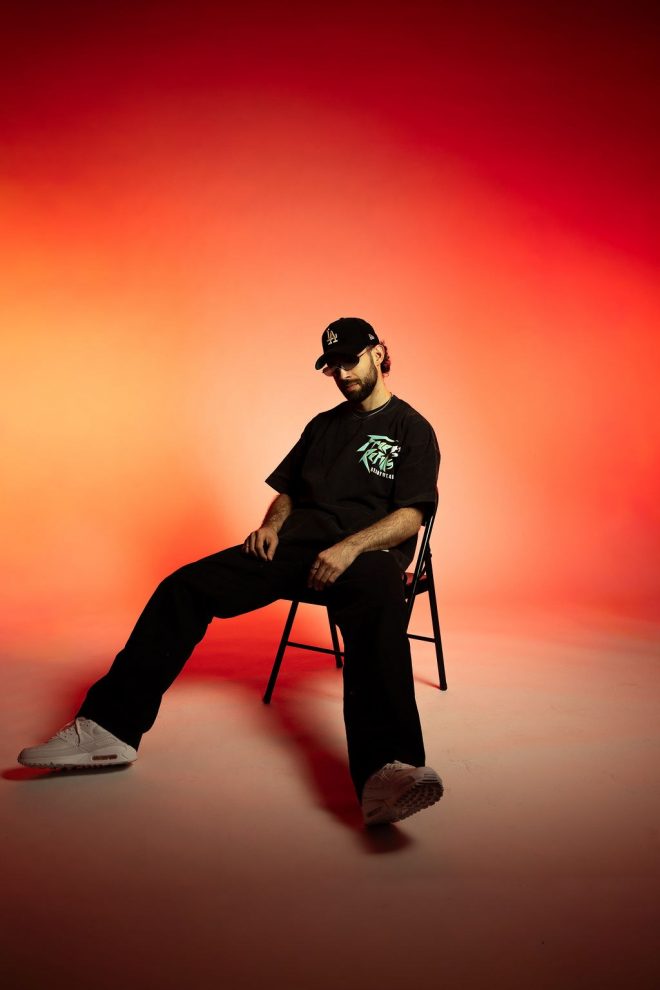
No Reunions Records
Alongside the new alias arrives a parallel structure. Labels in dance music have always functioned as small cultural laboratories where artists experiment outside the expectations of larger platforms. For Enzo Fazz, that laboratory takes the form of No Reunions Records.
“I’ve wanted to start a label for a while now,” he says. The decision to launch it simultaneously with the new project was intentional. Both ideas emerged from the same desire for autonomy.
“Launching it alongside the Enzo Fazz project felt like the perfect time,” he explains. “It gives me a space and the freedom to release what I want, when I want, without overthinking it.” Independence creates a different rhythm of work.
For now the label operates as a direct extension of the studio. Tracks can move from idea to release without navigating complicated approval structures. That freedom often produces music that feels more spontaneous.
“As the label grows, I’d love to bring in artists who share a similar mindset,” he says. “People making groove-driven club music that feels fresh for today’s dance floors.” The philosophy remains simple: rhythm first, everything else later.
Testing the Floor
Club music does not fully exist until it meets a crowd. Studio monitors provide technical clarity, but the real test happens inside the unpredictable acoustics of a dance floor. A track that feels balanced in isolation can behave very differently once hundreds of bodies absorb the bass.
For now the Enzo Fazz catalogue is still circulating through informal networks. DJs receive early versions through promo channels and test them inside their sets. The process allows the music to evolve before it reaches the public.
“Even though the official releases are still on the way, I’ve been sending a lot of the music out through promos,” he says. Feedback arrives quietly from those environments. Sometimes it appears as a short message after a set, sometimes through the simple act of another DJ playing the track again.
“The response has been really encouraging,” he explains. “It’s been great to see support from artists I really respect and feel aligned with stylistically.” In dance music, that kind of recognition travels further than statistics.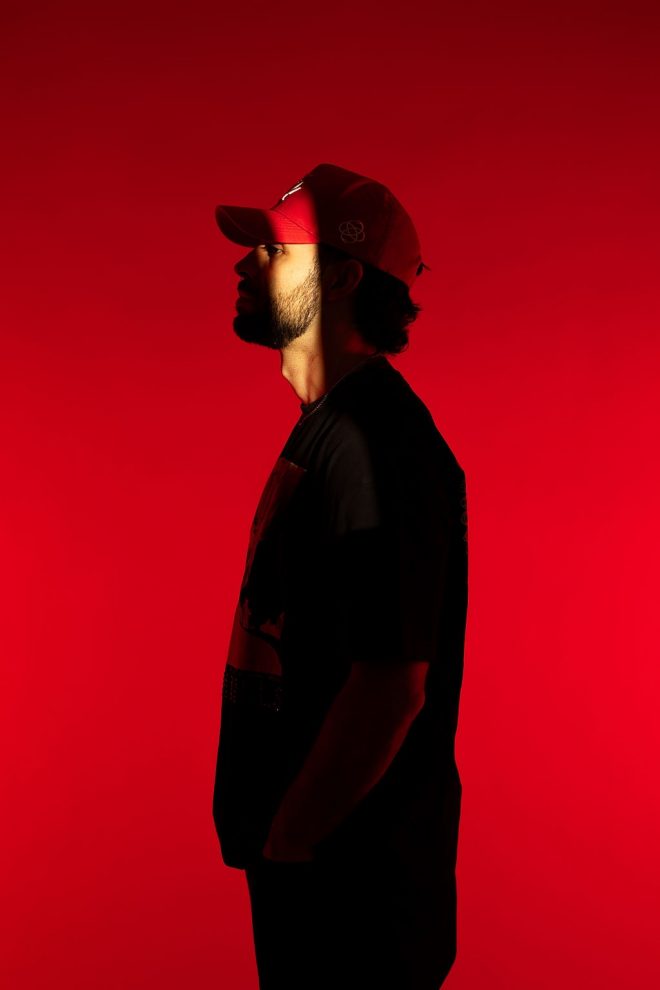
The Rhythm Continues
Certain weeks in the electronic music calendar function like gravitational centers. For a brief moment the global scene condenses into one city, and conversations that normally unfold online happen face to face. Miami Music Week remains one of those gatherings.
For Enzo Fazz, the timing carries a personal resonance. The city has been a recurring point in his trajectory as a DJ. Several important moments unfolded there long before the new project existed.
“I’ve been to a lot of Miami Music Weeks over the years,” he says. “Sometimes performing as FREAK ON.” The week offers more than just performances.
“It’s one of the best times to reconnect with friends, artists and people across the industry,” he explains. “You also get to hear what new sounds are emerging from around the world.” Ideas travel quickly during those nights.
There is also a small piece of symmetry hidden inside the timeline. “One of my first shows as FREAK ON was during Music Week back in 2019,” he recalls. Certain cities seem to mark the turning points of a career.
“Launching the Enzo Fazz project around this time feels like a full-circle moment,” he says. The location has not changed, but the rhythm has.
The drums continue. The groove moves forward. The new chapter settles into motion.
