


Detroit: the city that changed electronic music forever
Cradle of techno, multicultural laboratory, and a destination for those who want to understand where the music that makes the planet dance was born
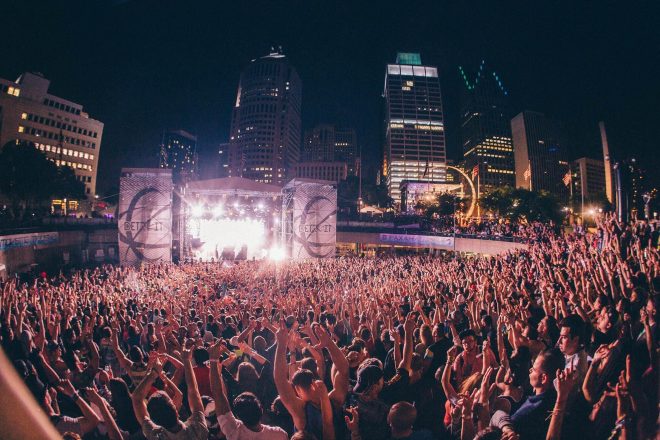
Detroit is not just a metropolis to visit: it's a place to listen to. And it is precisely through its neighborhoods that the most authentic story of a place that forever changed the history of electronic music and global clubbing unfolds. Because before becoming a symbol of American urban rebirth, Detroit was already a sonic legend: in the mid-1970s, African-American musicians fused funk, German electronics, and Japanese influences into an entirely new language, giving birth to what we now call techno. The Belleville Three — Juan Atkins, Derrick May, and Kevin Saunderson — together with figures like DJ Electrifying Mojo, built a sound that traveled from Detroit to Berlin and then to the rest of the world. Visiting this city today also means coming to terms with this immense heritage, which is still far too often under-told.
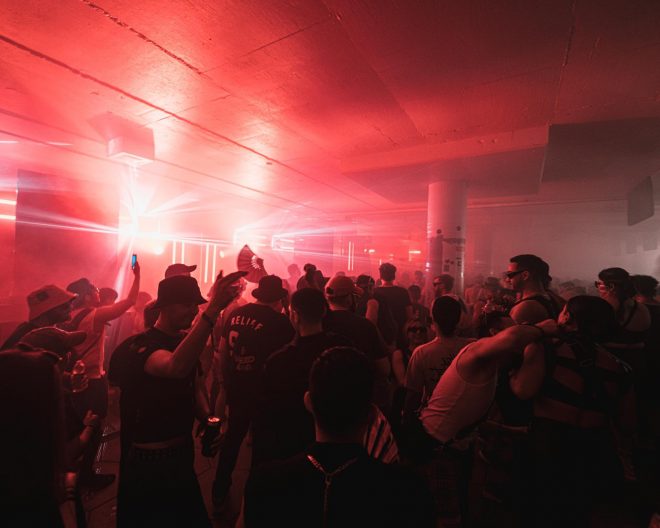
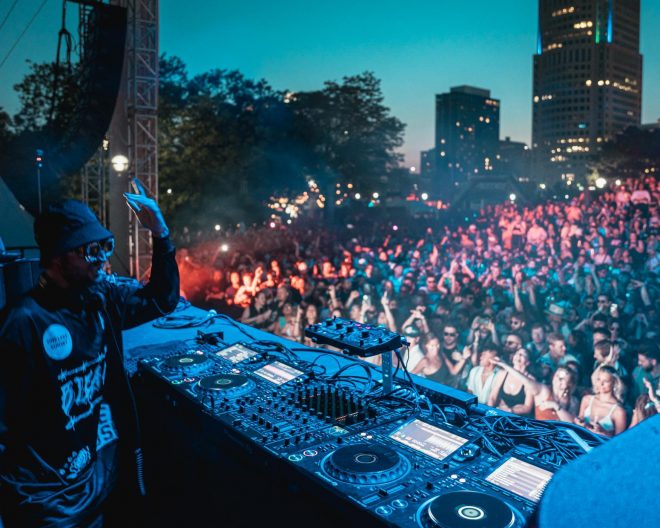
Downtown is the natural starting point for anyone arriving in the metropolis: boutique hotels, innovative restaurants, and revitalized public spaces coexist with historic and iconic buildings. Places like Parker's Alley, The Belt (an alley turned into an urban art gallery), and the Detroit Riverwalk tell the story of an increasingly international city. But just a few blocks away, you enter another dimension. Corktown, the city's oldest neighborhood, is now one of the symbols of urban transformation: the Michigan Central Station, reopened in 2024 after more than thirty years of closure, is its most powerful example — a redevelopment project that made headlines across America. A few minutes away is Midtown, a vibrant cultural hub that concentrates the Detroit Institute of Arts, the Charles H. Wright Museum of African American History, contemporary galleries, and music venues that continue to fuel the area's creative identity.
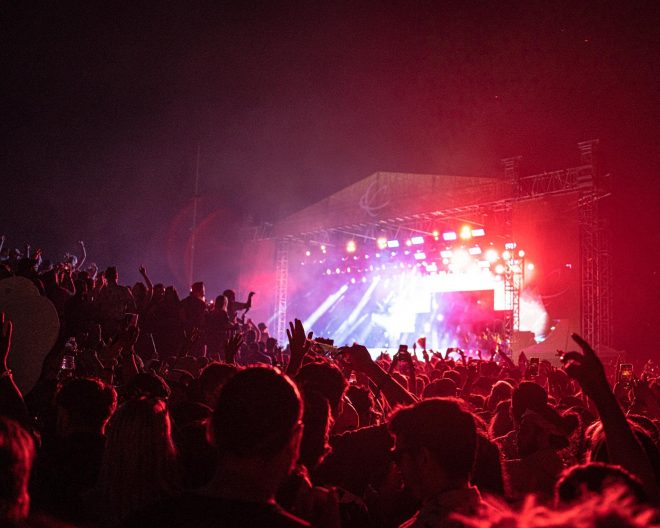
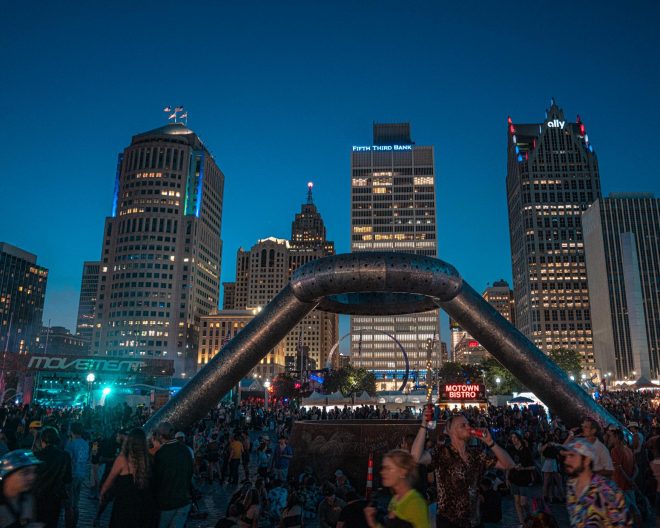
Then there's the city's multicultural face: in Dearborn, just outside downtown, lies the largest Arab-American community in the United States, with an extraordinary Middle Eastern food scene and the famous Henry Ford Museum of American Innovation. In Southwest Detroit, also known as Mexicantown, colorful murals, local markets, and family-run restaurants tell the Latin American culture with a visual and human force that is hard to forget. Eastern Market, one of the largest historic public markets in the United States, is instead the beating heart of local Detroit: every Saturday, the streets come alive with stalls selling fresh produce, flowers, artwork, and street food. West Village, not far away, offers a more intimate pace, with Victorian houses, independent boutiques, and neighborhood cafes that feel timeless. But those who love electronic music know that Detroit still holds something more: Exhibit 3000 is considered the world's first museum dedicated to techno, while historic entities like Underground Resistance and Submerge Distribution continue to be global reference points for the genre.
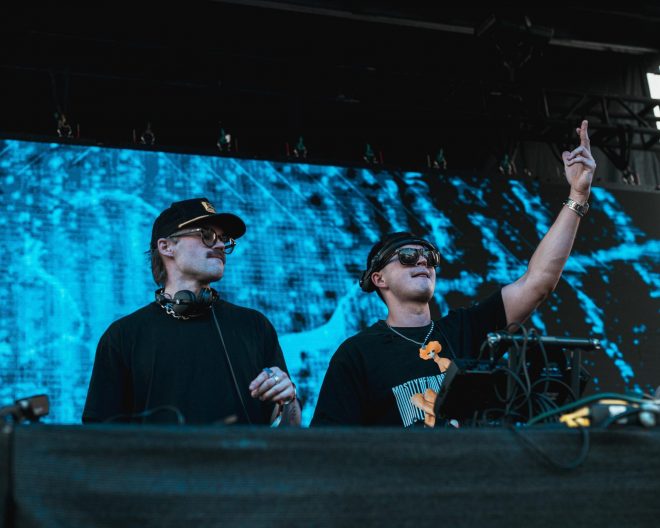
Artists like DJ Minx, Kyle Hall, and DJ Holographic represent the contemporary evolution of a scene that has never stopped producing culture. Last January, the Michigan State University Museum announced an exhibition titled "Techno: The Rise Of Detroit's Machine Music," featuring an original sound installation by Underground Resistance. It is worth recalling that plans to turn the Packard Plant into an electronic music museum — named MODEM, Museum of Detroit Electronic Music — have been shelved by the new administration of Mayor Mary Sheffield, which preferred to explore other options for the site. A $50 million project that would have created up to 300 jobs and been completed by 2029. A significant cultural loss, even though the promoters, Bennett and Goldenberg, have stated they intend to continue their fight to breathe new life into that abandoned plant — closed since 1958 — which over the years has hosted Richie Hawtin’s legendary Spastik warehouse parties and the historic DJ battle between DJ Godfather and Gary Chandler.
The metropolitan area then offers further nuances: Ferndale with its inclusive and artistic atmosphere, Royal Oak for restaurants and live music, Birmingham with its design boutiques and sophisticated food scene, and St. Clair Shores with its marinas overlooking Lake St. Clair. Detroit is explored slowly, letting yourself be guided by sounds as well as flavors, because every neighborhood tells a different story, and some of those stories truly changed the world.
