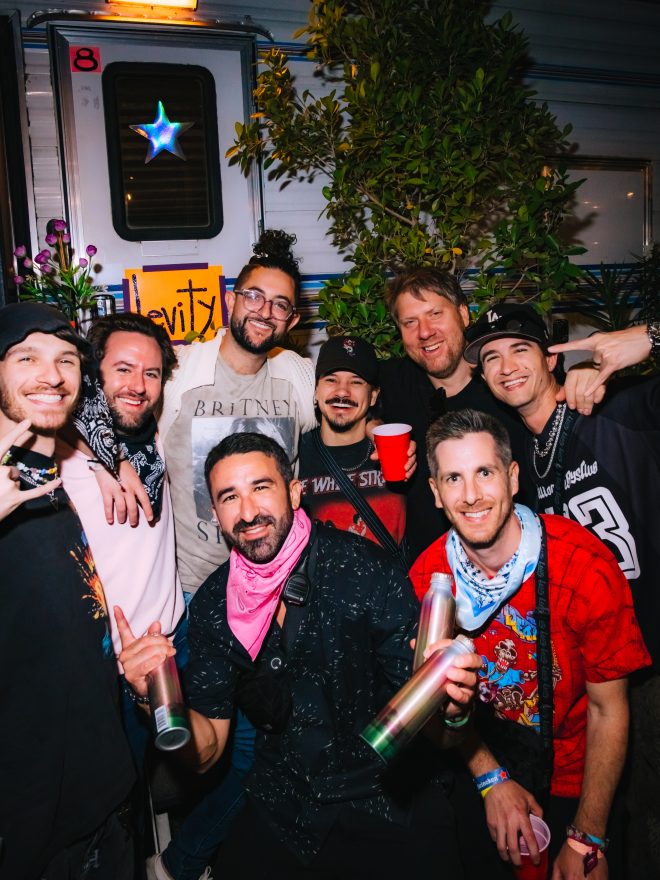


Deadbeats at 10: “It’s Groove Over Everything”
Ten years into Deadbeats, the idea that started the label remains remarkably intact. When Zeds Dead launched the imprint in 2016, the intention was to create space for artists and sounds that seemed to exist outside the most obvious routes through bass music.
“We wanted to make a home for the sounds and artists that we thought didn’t currently have one,” they say. “Conceptually we were thinking of how festivals booked main stages and side stages. Deadbeats would be the label that championed the side stages with the newer artists that were pushing the envelope and drawing in fans that were curiously open to different styles of bass music.” - Harrison Bennett
A decade later, that side-stage mentality still runs through the label.
“I think we’ve done a pretty solid job of staying true to that idea. We’re still heavily focused on supporting artists at the beginning of their journeys, and sonically have carved out a good space in the dance space for bass music that sort of ambiguously blurs the lines between genres and regions.” - Harrison Bennett
That philosophy sits at the centre of We Are Deadbeats Vol. 7. The latest edition of the compilation moves between deep dubstep, halftime, trip-hop, hip-hop influences and experimental bass, but Deadbeats has never approached A&R as a search for one tightly defined sound.
“Similar to a Zeds Dead set that runs the gamut of genres and takes the listener on a journey, the label has always looked at the feeling of the song more than the genre of it when it comes to deciding if it’s something we want to work with. It’s groove over everything. If we can’t dance to it, if it doesn’t get stuck in our heads, if it isn’t the kind of track that is going to stand out in the DJ’s set and have you posting online asking for an ID afterwards, it needs to be something we can envision working well live, getting people moving, and ideally crossing over into the sets of DJs in different spaces.” - Harrison Bennett
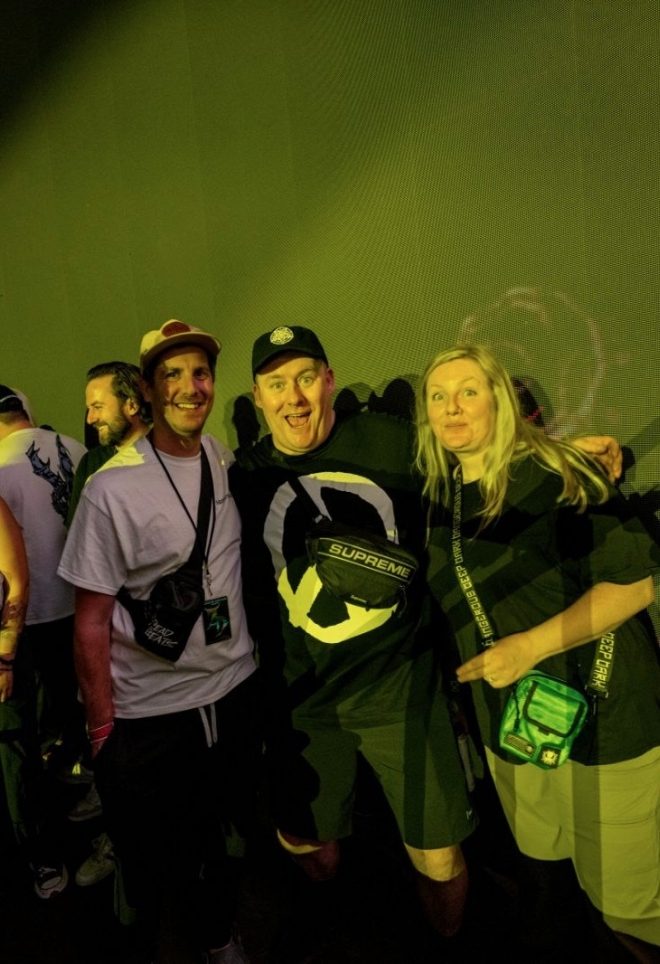
That emphasis on instinct has become more significant as the mechanics of discovering artists have changed. Social media and streaming have made access easier, but Deadbeats sees another consequence in the sheer amount of music and information now competing for attention.
“In the sense that I don’t need to go to clubs every weekend to discover new tracks and artists, it’s certainly easier, a bit more boring too, but it’s also become a constant 24/7 flow of noise on socials. Trying to sort through it is easier with real-world relationships, having people with their feet in different spaces that you can bounce ideas off of or get a hint of something exciting happening in a scene or algorithm that isn’t the one being fed to us.”
The distinction between discovering a successful track and developing an artist is equally important. Online numbers can indicate attention, but they say less about whether listeners will remain once a particular record has passed.
“The development is the building of an audience that is there for the artist and not just to hear a single song, and that requires goals with a long-term vision and desire to consistently feed into that plan. You can’t really get that from just looking at someone’s socials or seeing numbers. It comes from establishing a connection with the artists. It’s one of those ‘you know it when you know it’ type things.” - Harrison Bennett
For all the changes in how music reaches the label, however, the decisive test remains physical. Zeds Dead’s touring, DeadRocks and the wider Deadbeats live ecosystem give new music somewhere to prove itself beyond a feed or streaming platform.
On the importance of seeing a track work in a room, there is little hesitation.
“It’s THE most important element. It’s club music. If people aren’t playing it out and it’s not getting a reaction from the audience then it’s not for us.” - Harrison Bennett
That clarity also helps explain how Deadbeats has maintained an identity without turning that identity into a fixed sound. Rather than protecting a specific version of bass music, the label has stayed close to the principles it started with.
“By sticking to the core ideas that we started the label from and not chasing trends. We love this music and have a real appreciation for where it’s come from and wherever it can go. The evolution of this music and our own tastes is constant.” - Harrison Bennett
A GLOBAL GENERATION
On We Are Deadbeats Vol. 7, that evolution increasingly crosses borders.
What excites Deadbeats about the current generation is not one emerging genre or production technique, but the ease with which artists from different territories are now working together while revisiting different parts of bass music history.
“The globalness of it right now feels very exciting. There’s artists from across the world collaborating with each other like Hydraulix and Mary Droppinz, and a new generation from the UK diving back into the OG dubstep sounds like Bluff and En while North Americans like Distinct Motive and Die by the Sword put their own spin on the sound without breaking the framework or repeating styles.” - Harrison Bennett
It is a movement that fits naturally with a label that has always preferred loose boundaries to rigid categories.
“I love seeing artists collaborating and pushing outside their comfort zones on tracks, and their willingness is so refreshing.” - Harrison Bennett
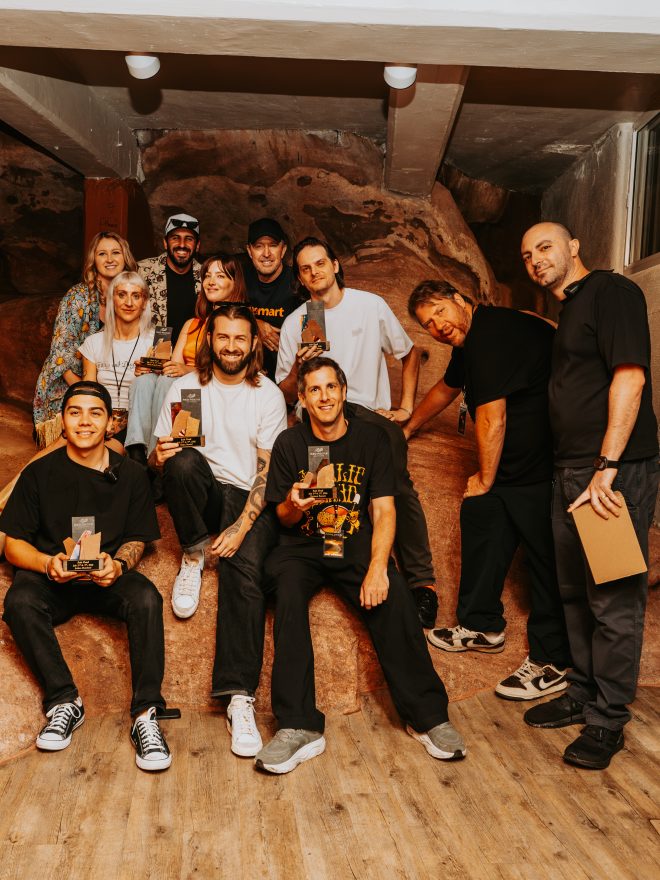
The community around Deadbeats has also moved far beyond the records themselves. Looking back over the first decade, the label points to the expansion of DeadRocks and the long-running Deadbeats tours as moments when the different parts of the project began to connect.
“Turning DeadRocks from just a show into a full weekend of events, and the multi-year running Deadbeats tours, I think really tied everything together for the label.” - Harrison Bennett
The importance was not simply in producing bigger events. It was in creating a place where the artists, label and audience could repeatedly occupy the same space.
“It created a space for us to actually engage with fans of the artists and curate an authentic Deadbeats experience for everyone attending. The shows are basically little reunions for us and the artists that we don’t get to see all that often, and it helps it feel more like a family than a loose label association. Artists come out to those shows when they aren’t even playing. They just want to hang.” - Harrison Bennett
Ten years in, Deadbeats is looking ahead without attempting to define what its catalogue should sound like another decade from now. The ambition is instead to remain a place artists can enter early, particularly when their music does not sit comfortably inside established genre frameworks.
“We still want to be the home for artists that are looking to push beyond what genre frameworks might limit them to, and we want to be the label that you find early in the discographies of the biggest artists out there 10 years from now.”
That also means allowing those relationships to survive changes in sound and direction.
“As the artists we work with tastes change, we want to be there to support them and help make the most successful version of their project that we can.” - Harrison Bennett
After a decade, Deadbeats has grown far beyond the side-stage idea that first shaped it. But the instinct behind that image remains: find the music before its position is obvious, give it somewhere to exist, and see what happens when it reaches the room.